Drawing and the Creative Process with the Power Primes
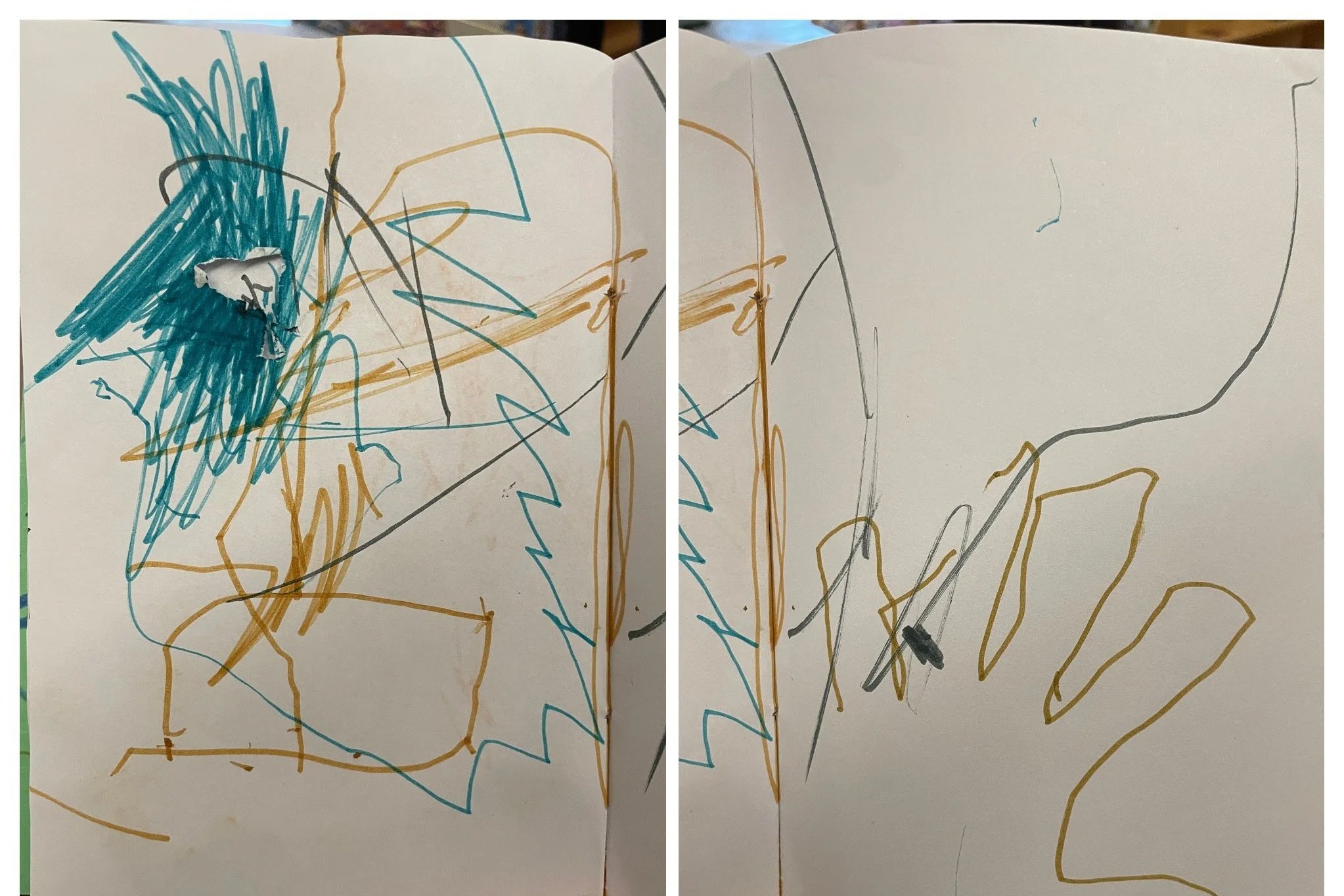
One of my favorite things to do when spending time with children is drawing. It never ceases to amaze me how each child has their own unique way of using marks as a means of expression and communication. Occasionally, a child shares what they are thinking about while drawing, or what their drawing represents. It’s not uncommon for a drawing to reflect a feeling or a story—and sometimes, it’s about nothing at all. Regardless of the subject, unbeknownst to them, drawing is about the creative process.
Creativity—and the creative process—involves having ideas, seeing possibilities, solving problems, and making connections between things. It is also a cognitive and emotional skill foundational to lifelong learning. This skill begins as early as infancy, when a baby and caregiver engage in communication such as parentese and babbling, and it continues to grow with us. During the preschool years, creativity in the visual arts supports the development of writing, freedom of expression, creative problem-solving, spatial awareness, and serves as an important component in forming a sense of self.
In the Power Primes classroom, we deeply value the creative process. Throughout the day, there are many opportunities to draw and be creative. In the mornings, the art table is always open, set up with a rotating variety of mark-making tools and papers for the children to explore. Each child has their own sketchbook available to use while waiting for a group transition, or on their mats during rest time.
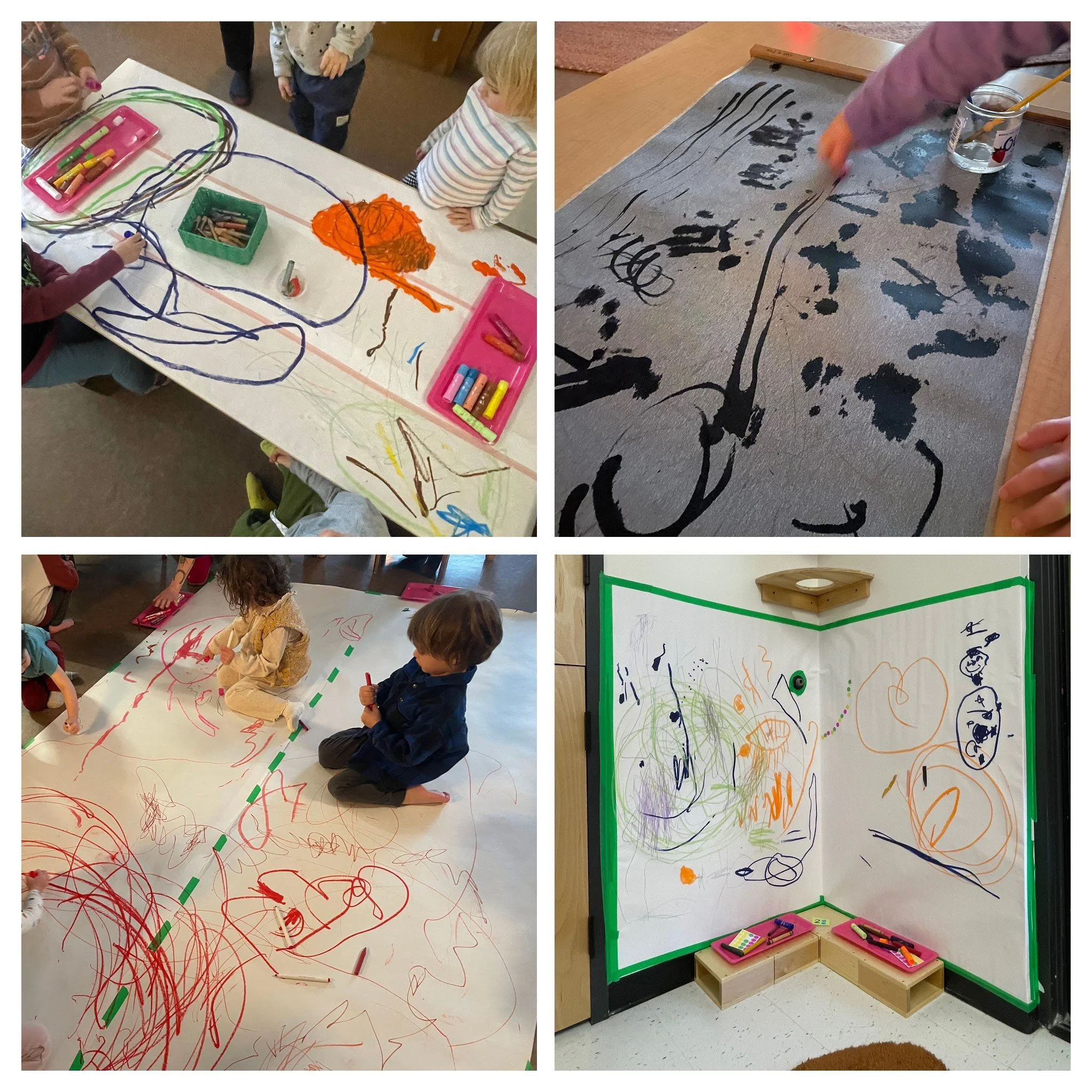
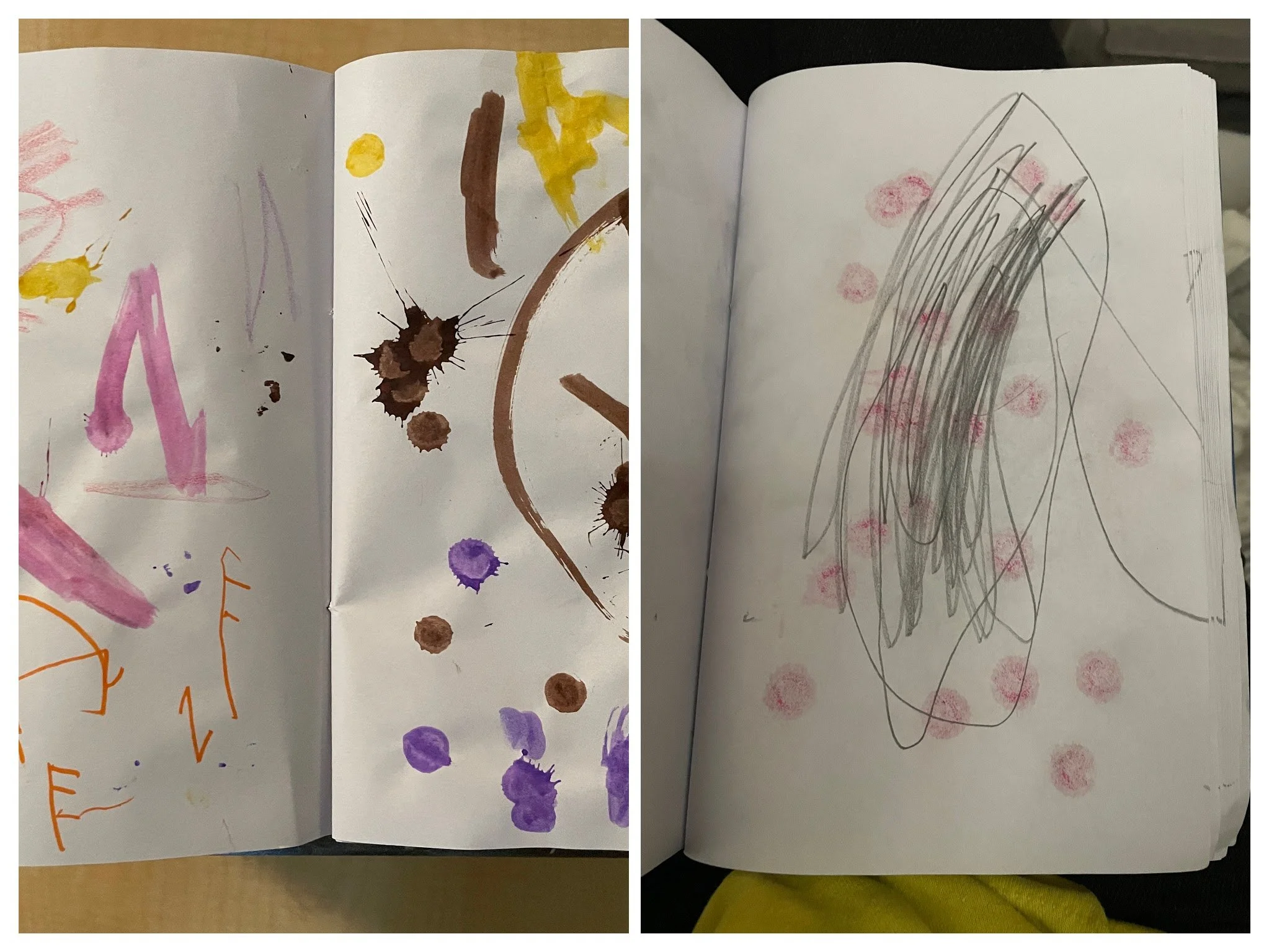
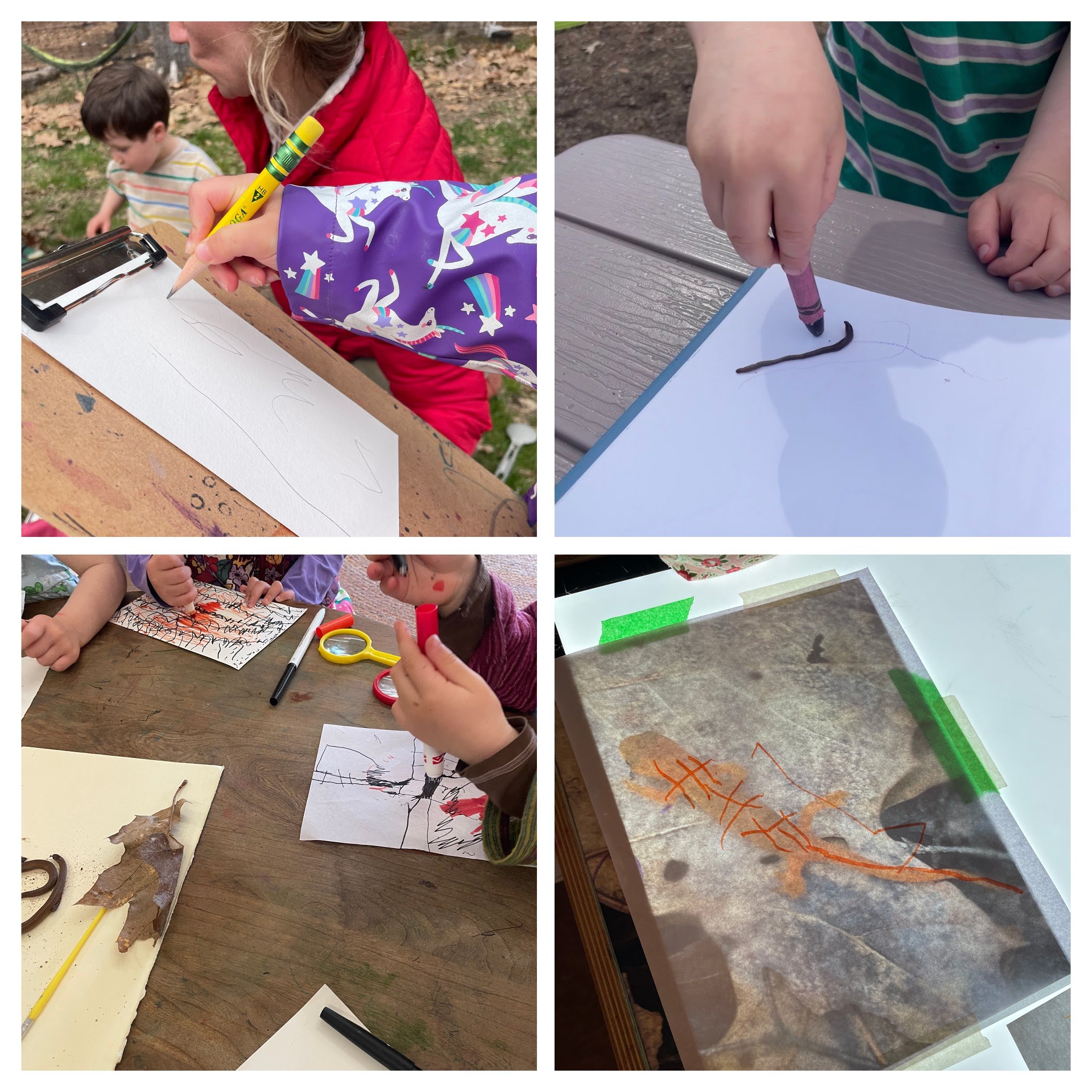
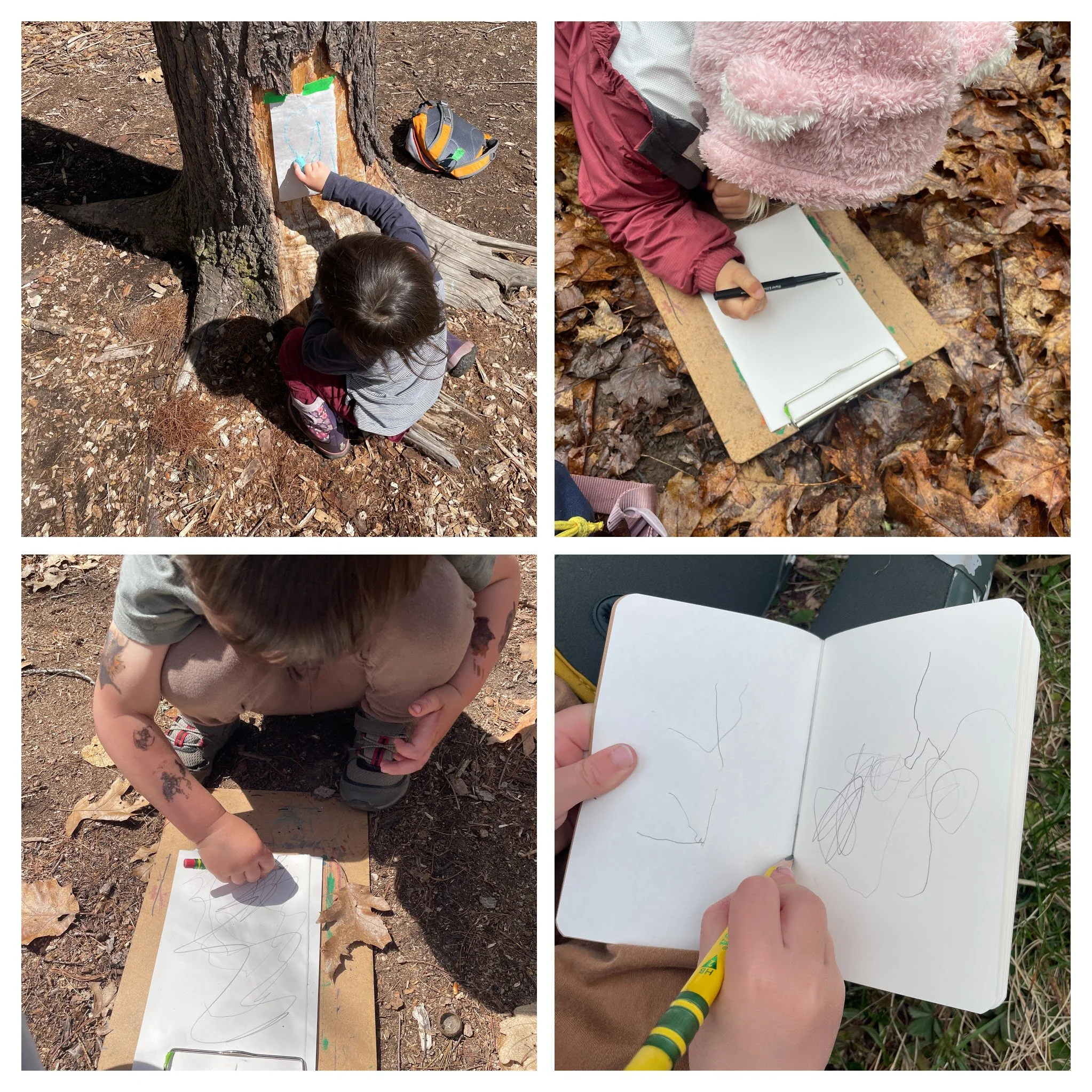
The Power Primes have also been drawing the natural world—snakes, worms, red efts, spiders, and trees. With the onset of spring, field journals were added to each child’s adventure pack so that drawing can take place while exploring the woods on campus. Most recently, we’ve introduced snack-time “Nature Mystery” storytelling, where everyone takes a turn telling a story while illustrating the imagery.
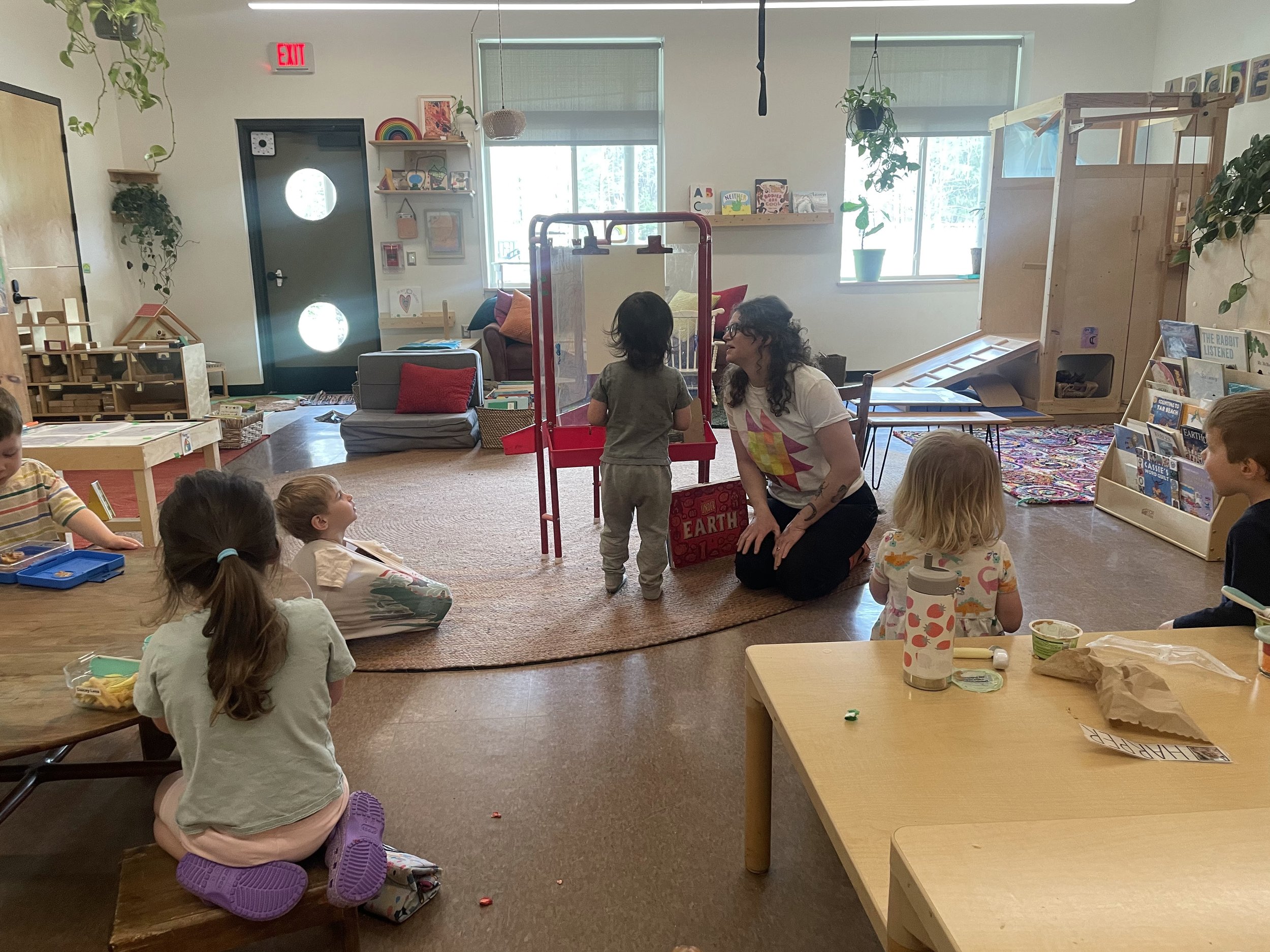
There are myriad forms of creative expression. In order to nurture as many forms as possible—not just drawing—we provide a safe and supportive environment. Only then can we effectively encourage curiosity, exploration, and experimentation; advocate for individual ideas and collaboration; and foster flexibility and respect. It is a privilege to work with these children every day, to see their minds expand and their hearts beam with pride at their individual and collective growth and achievements.
We hope you’ll join us this Thursday at the Museum of Student Work, where you will be able to see the Power Primes’ Nature Mystery exhibit.