Mups Passports - A walkthrough of why
Introduction
It’s the first day of school. Students are full of excited energy and nervousness.
“What if I don’t know what to do?”
“I want to do the right thing.”
“I have so many questions.”
Walking into a new classroom can feel overwhelming. There are so many things to learn. Not just academically, but socially and emotionally, as well. We know that children learn best when there are clear and expressed expectations. The Mups Passport is designed to give students a tangible space to find, explore, and discover what it means to be a second & third grader at the Greenfield Center School.
Inside the Passport
Opening up a Mups Passport, you’ll see the first page, which holds a space for students to draw a picture of themselves, and write their name and birthday. This personalization allows students to take ownership of the document.
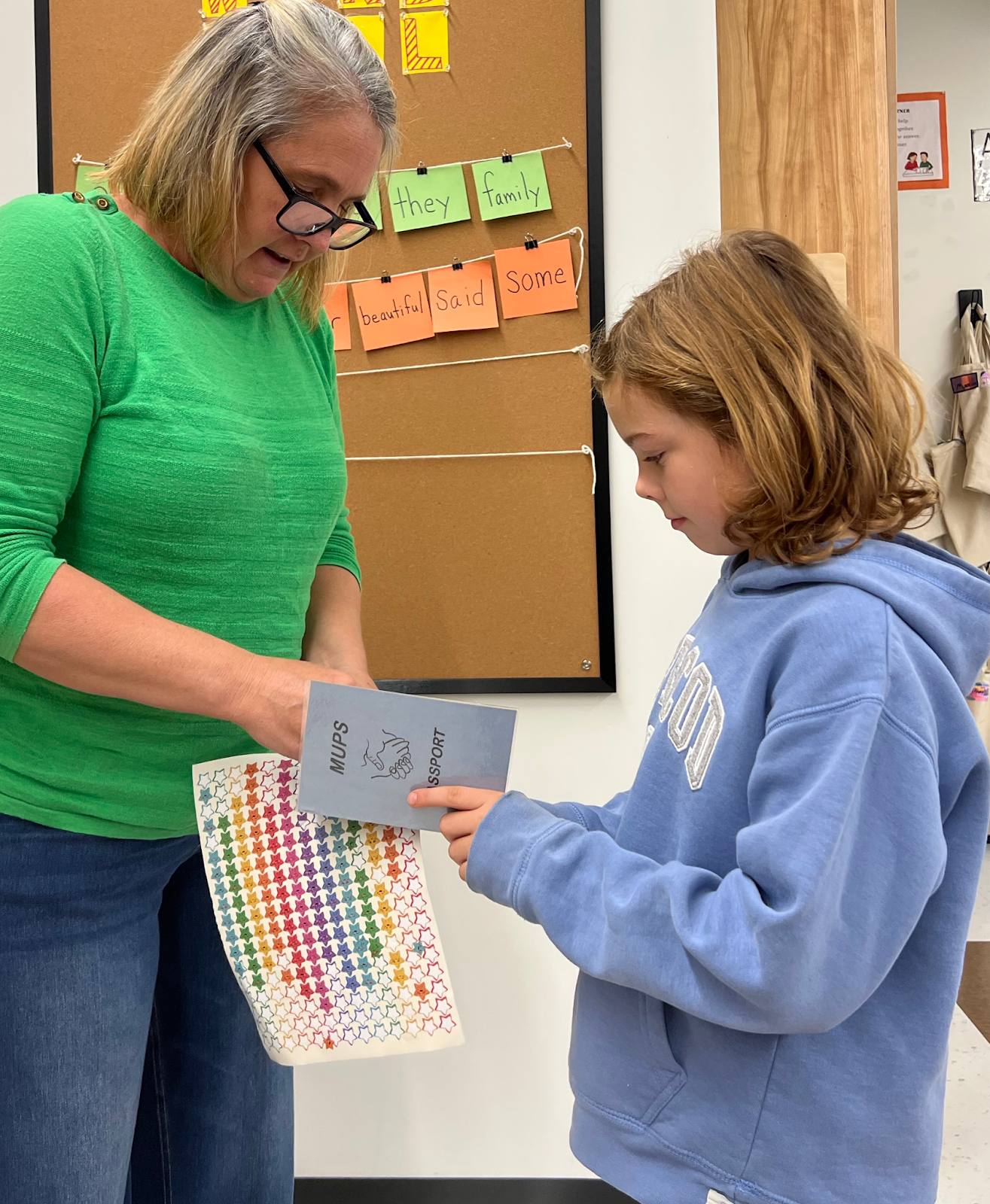
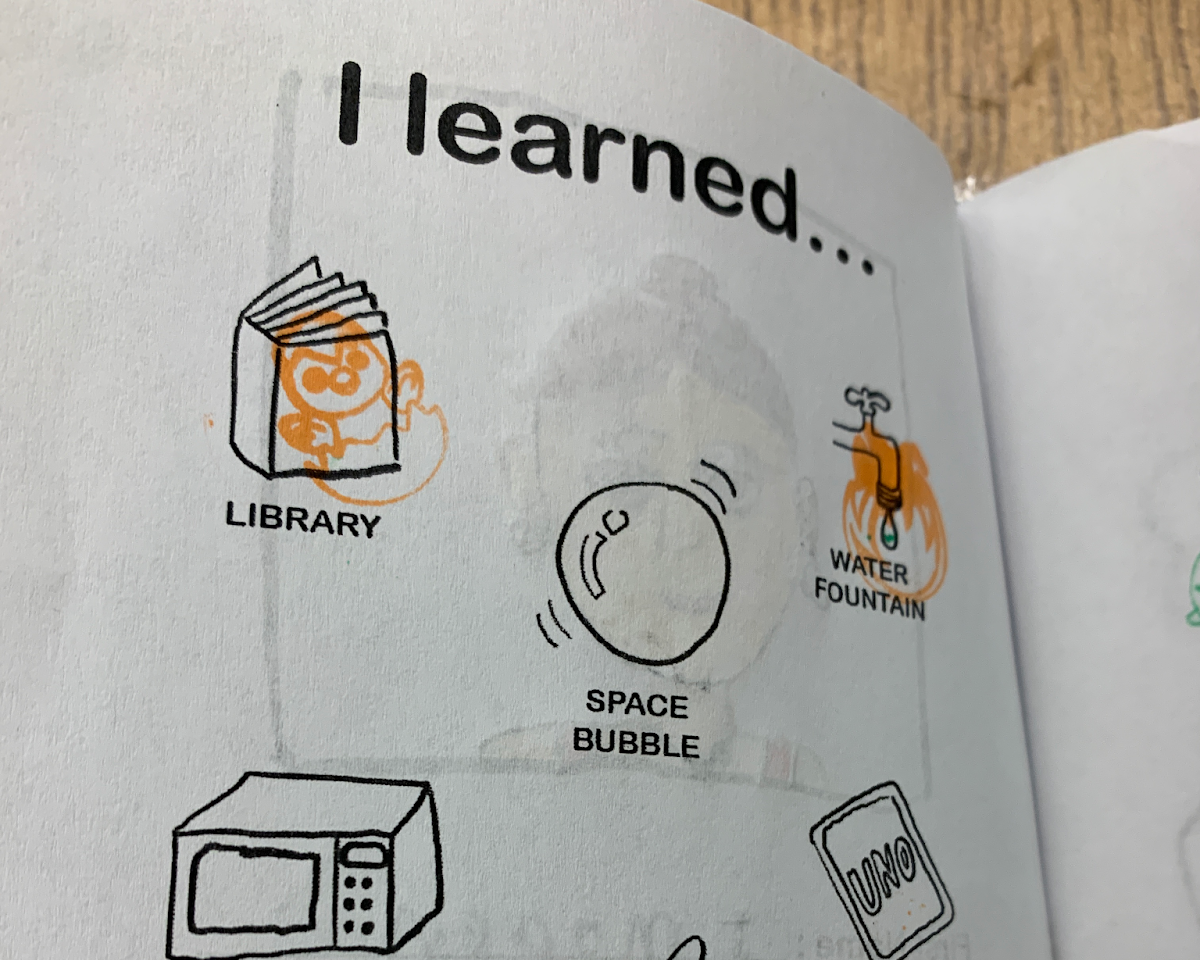
Leafing through, you’ll also see pages dedicated to learning routines, special Mups Rites of Passage, and playing outside games. Teachers stamp the indicators as children learn the routines and activities. Moving through these important elements of being a Mup helps kids build agency and autonomy, as well as a connection with the classroom community.
The Friendship Pages
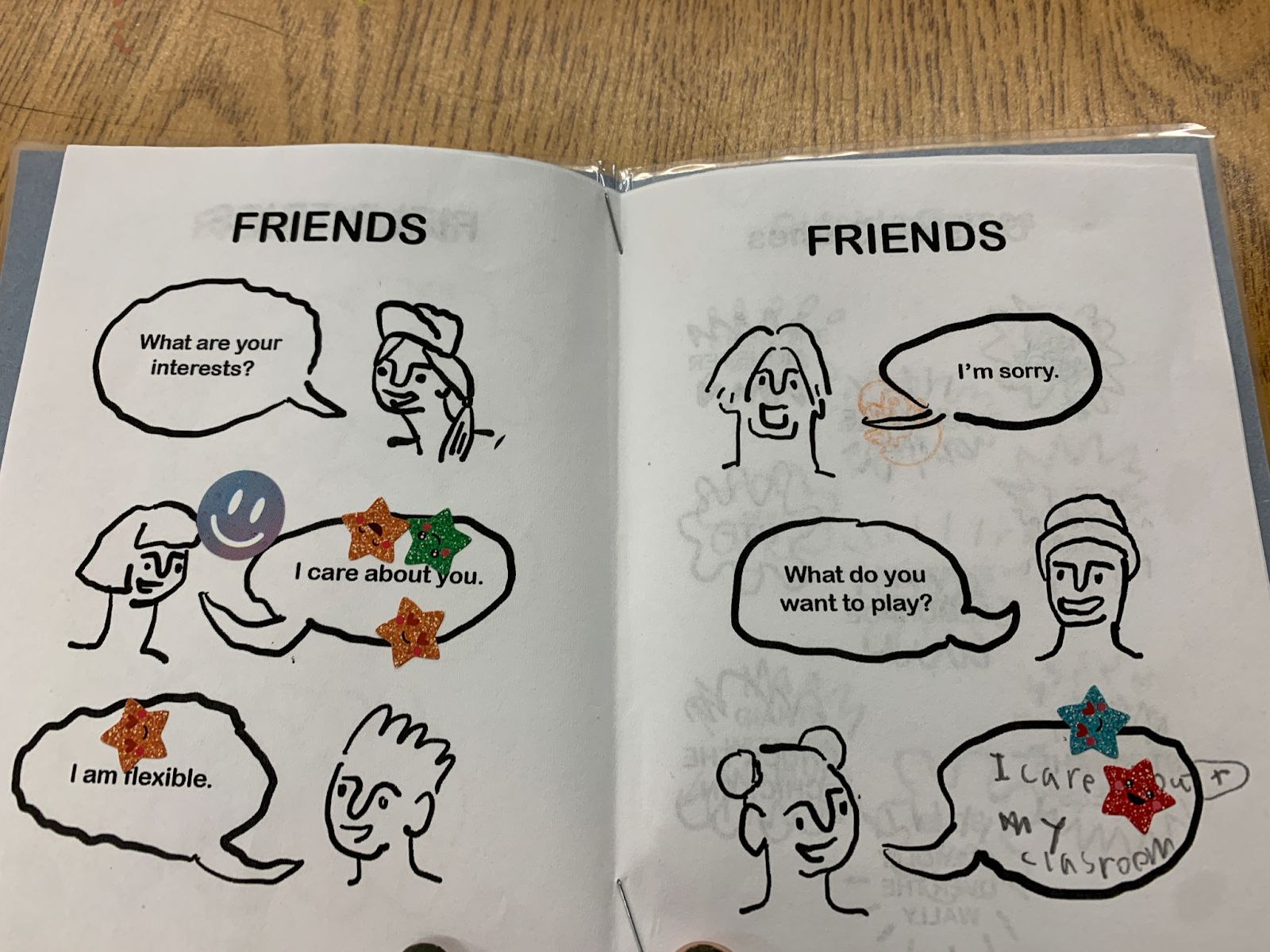
One of the most significant pages in the Mups Passport is dedicated to Friendship. While most of the other pages only allow for a “one-time” stamp, kids can return to collect stickers in the Friendship pages repeatedly throughout the year.
Teachers consistently reinforce the expectations by regularly returning to the Passport to encourage expected behaviors for each individual child. Students can earn stickers for taking care of classroom supplies and expressing empathy for others.
If a child is having a challenging day at school, the passport lets teachers highlight` positive moments in that child’s day, offering a sticker for pushing in a chair or for asking a thoughtful question.