
Growing Into Change
Change is one of the great themes of childhood—and in the Middles, students are changing in wonderfully visible ways. Center School founder Chip Wood reminds us in his book, Yardsticks: Child and Adolescent Development Ages 4–14, that development is not a straight line, but a series of shifts in how children move, think, relate, and make sense of the world. Around eight and nine, children often become increasingly curious about how things work, more interested in rules and logic, and more capable of explaining their ideas. They are also growing physically, with increasing coordination and a strong need for movement. What can look like restlessness, intensity, or impatience is often part of this larger process of becoming.
Third graders are beginning to look beyond the immediate world. They may become fascinated by fairness, systems, causes and effects, and the question of why things happen. They are developing greater independence while still needing reassurance, structure, and opportunities to experience success. Fourth graders continue this movement outward: they can listen to different perspectives, engage more cooperatively with peers, and begin to think more abstractly about ideas and problems. At the same time, their growing social awareness can make them especially attentive to friendships, belonging, fairness, and how others see them. We know that these are developmental patterns rather than rigid expectations; children move through them at different times and in different ways.
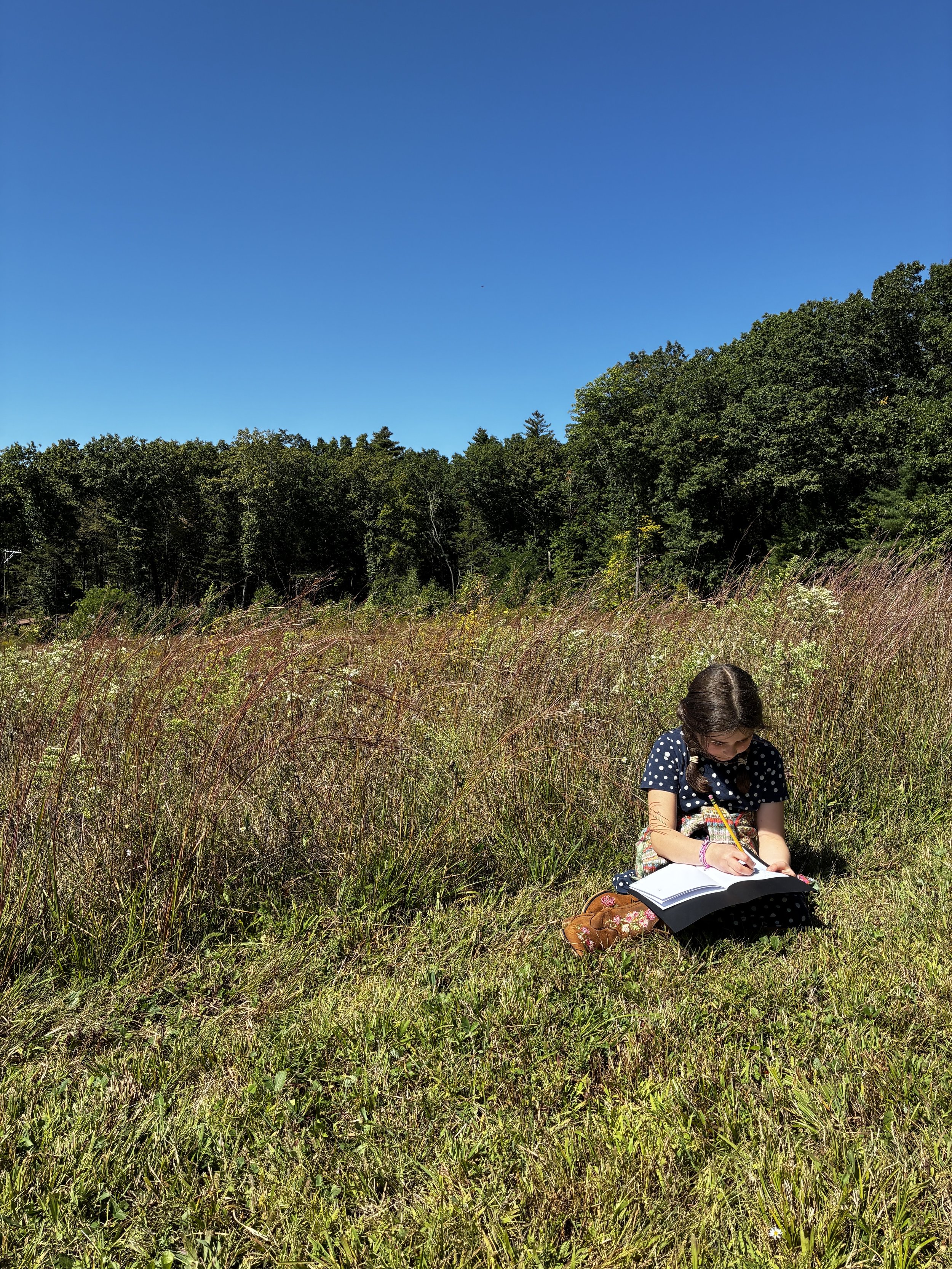
For educators, attending to these changes means asking not only, “What should children learn?” but also, “Who are these children becoming?” In the Middles classroom, we make room for that becoming: giving students meaningful choices, inviting questions rather than simply supplying answers, making space for movement and collaboration, and treating mistakes as part of intellectual and social growth. Middles are not simply preparing for what comes next—they are actively becoming more capable thinkers, friends, problem-solvers, and members of a community. Our job is to notice the change, honor it, and create the conditions in which each child can grow into it. For those of us who spend our days with children, these years offer a special invitation to slow down and notice the many ways growth unfolds. A child who once needed us to help solve a problem may now find a solution with a friend; a child who once accepted an answer may now ask a question that takes the whole group somewhere new. These small moments of change can be easy to overlook amid the busyness of a school day, yet they are often where the deepest growth is happening. Our work as teachers is to notice these moments, make room for what is emerging, and stay alongside children as they discover—with some excitement, some uncertainty, and plenty of curiosity—who they are becoming.
Love From Someone Growing Into Change,
Sara Mathey
Middles Teacher