Identity in the Power Primes
Over the summer the Early Education teachers’ homework was to read the book From Teaching to Thinking: A Pedagogy for Reimagining Our Work by Ann Pelo and Margie Carter. This book is a call for educators to move away from standardized curriculums and move towards an educational experience guided by all interactions, experiences and routines that take place in an environment that deeply values and fosters children’s learning and development. It is a manifesto that echoes the core philosophies of the Center School - our first tenet states:
The Center School’s constructivist approach to education is process-based, experiential and very much alive. Learning occurs because students are active participants in the process of their own knowledge construction, as opposed to passive recipients. Teachers act as facilitators, with the critical goal of guiding the learner to become an effective thinker able to analyze, conceptualize and to build on prior experience to create new knowledge.
Reading From Teaching to Thinking was a precursor to the pedagogical/professional development the Early Ed team will undertake this year with Dr. Peggy Martalock. Dr. Peggy is a pedagogista; a Reggio Emilia educational specialist who helps programs invest their time in authentic, high-impact pedagogical change that is relevant to their environment. Throughout the year she will guide us in our pedagogical methods and practices, acting as a sounding board for our visions and a facilitator for new ideas and inquiries.
We had our first Dr. Peggy meeting of the year before the students had returned to school. During this time together we reflected on the summer reading, shared our hopes and dreams for the new school year and brainstormed a list of common themes that were coming up. Peggy helped us sift through these themes to hone in on one big overarching idea - an idea to anchor our pedagogical investigations and documentation through the school year. This year our big idea is identity.
Our research starts by taking a “deep dive” into the idea of identity. A deeper dive means asking ourselves questions that activate and expand our thinking process. As a jumping off point, Dr. Peggy invited us to ask ourselves and each other questions like; what does identity mean to me? What do I think and how do I feel about identity? How is identity the same or different for adults and children? What are we trying to figure out about identity?
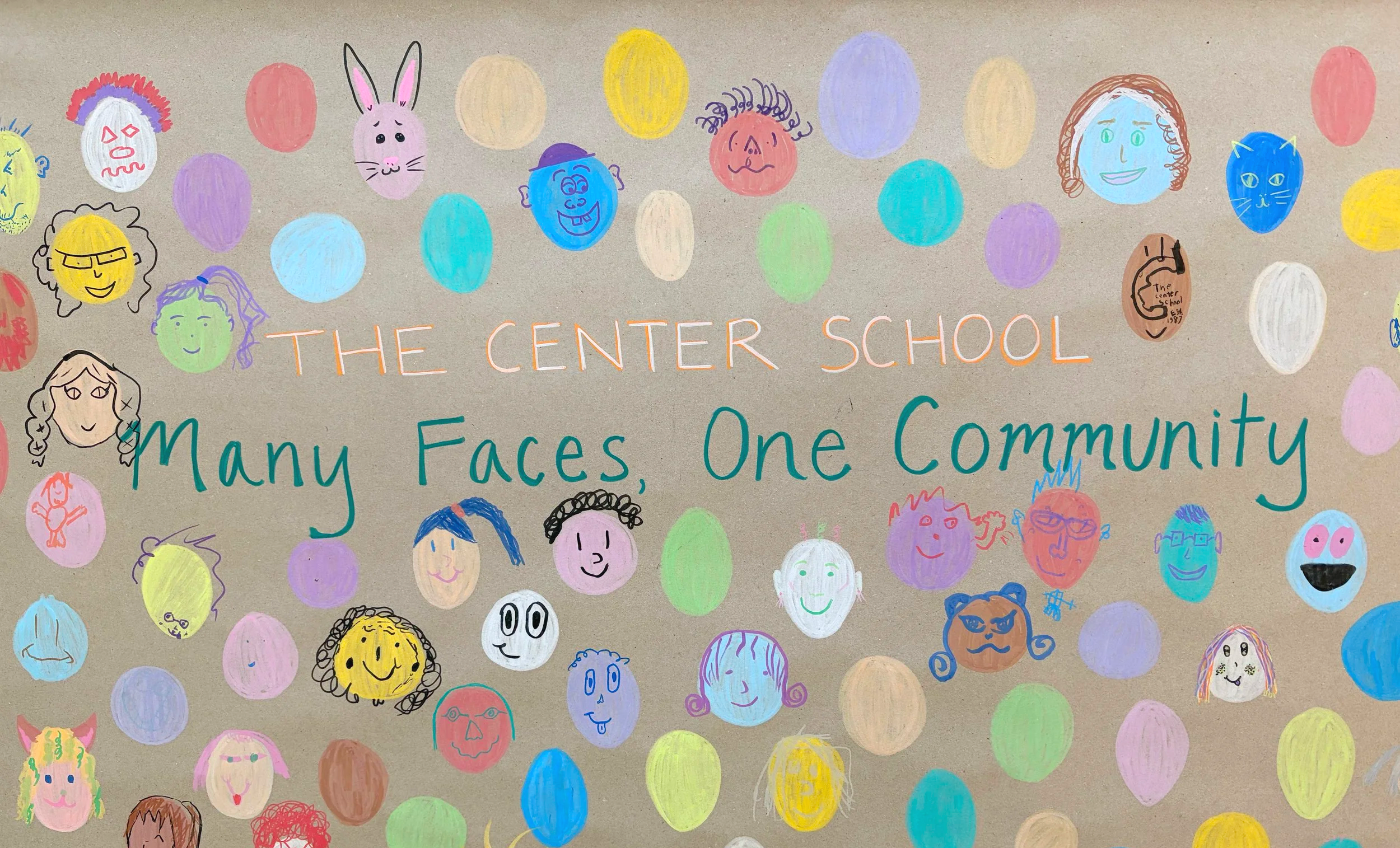
In From Teaching to Thinking Ann Pelo and Margie Carter talk about inquiry as a foundational element to education as reciprocity between intellect, emotion and imagination. As teachers, in order to uphold this vision of education, we observe carefully, we seek to discover and imagine with curious, open minds. Furthermore, this untraditional approach to curriculum can only be successful when we include the students in the process. This collaboration is vital, as we believe that children should be active participants in the process of their own knowledge construction - and this process encourages and deepens their thinking. We ask the children the same questions we ask ourselves, we listen to the questions they have. Together, we will contemplate and consider: What is identity? Who are you? Why are you who you are?
The deep dive we are undertaking in our classrooms supports development of the social, emotional, cognitive and language domains. The practice of inquiry cultivates an investigative and curious approach to learning - and to life. It promotes divergent thinking and introduces our students to the revolving process of asking questions, collecting observations, making connections that form a hypothesis, which prompts further questions, and so on. The practice of Inquiry asks us to tune into ourselves and to others, It asks us to be vulnerable and to take risks. That is no small feat!
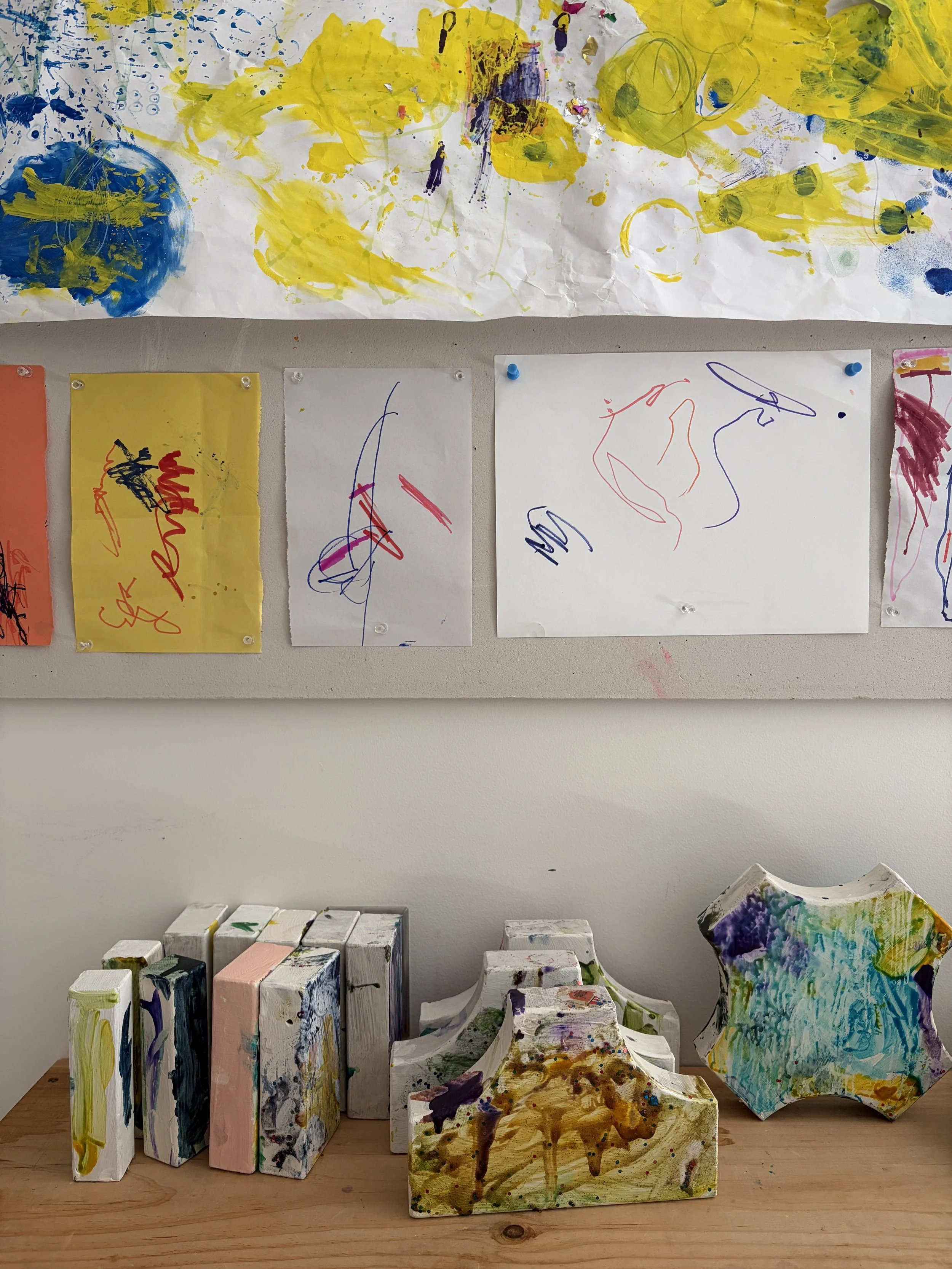
As we move through the school year and along our identity journey, you may catch glimpses of the work we are all doing together. There will be documentation -photos and notes may be displayed on bulletin boards and classroom walls, perhaps you will read another bulletin post about it, or see a presentation at Museum. But this deep dive is not a means to an end - there will be no final answers to the questions we ask. Rather, this deep dive is an exploration for the sake of experimentation, exploring for the sake of understanding and seeing our students and community better, and for the sake of our students as they build the skills to be independent and flexible thinkers. This work is for our incredible students, because we deeply value what the children think and imagine. This work is for these children - as they are the future and as they grow and learn, they are making this world a better place.
Citations:
Martalock, P. (n.d.). Dr. Peggy Martalock, Reggio Emilia Pedagogy Nerd. https://www.peggymartalock.com/
Pelo, A., & Carter, M. (2018). From teaching to thinking. Exchange Press.
The Center School (2020). https://centerschool.net/