
The 5/6 Humanities classes have been reading A Long Walk to Water by Linda Sue Park. The novel is based on a true story about one of the Lost Boys of Sudan, Salva Dut, and the challenges he faced after the war forced him from his home.
In chapter seven, Salva must cross the Nile River with the group he is traveling with. People work together to cut down papyrus grass, gather the stalks, transport materials, and weave and tie reeds together.
“Every time Salva delivered a load of reeds, he would pause for a few moments to admire the skills of the boatbuilders. The long reeds were laid out in neat bunches. Each end of a bunch would be tied together tightly. Then the bunch of reeds was pulled apart in the middle to form a hollow, and the two sides were tied all along their length to make a basic boat shape. More layers of reeds were added and tied to make the bottom of the boat. Salva watched, fascinated, as little by little the curve of the prow and low sides grew from the piles of reeds.” p. 44
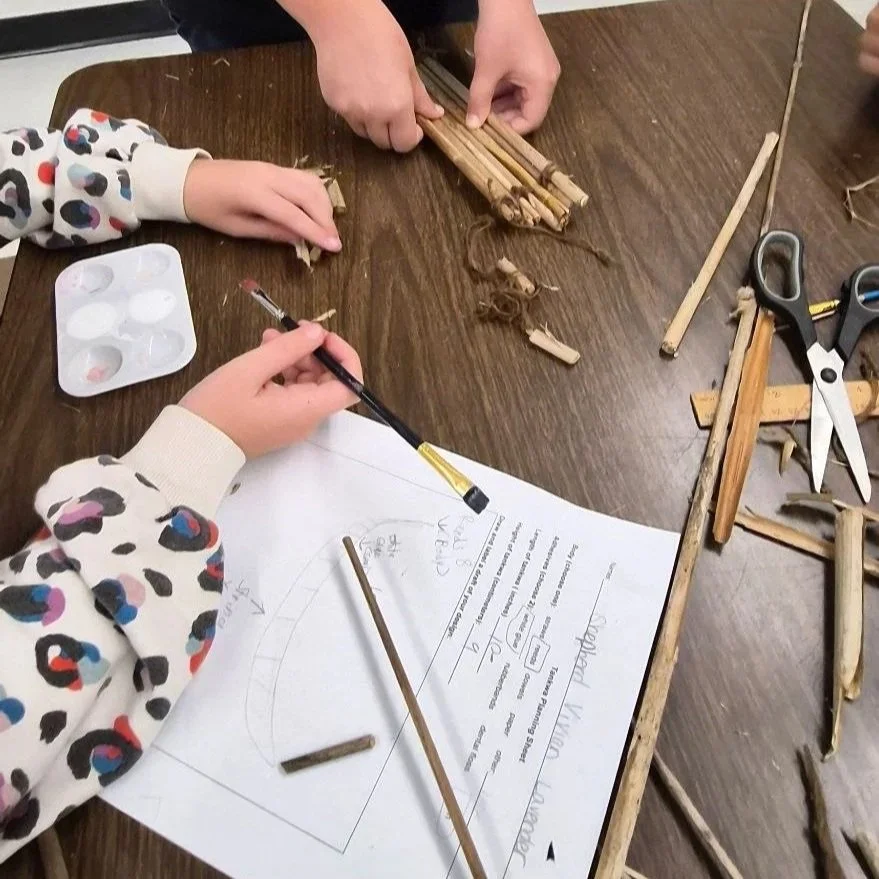
The term canoe is used to describe the boats in the novel, however since the group was traveling to Ethiopia, we decided to model our vessels after Ethiopian reed boats called tankwas. After reading chapter seven and watching a video about building tankwas, students were put into groups to fill out a planning sheet before beginning the building process.
Body (choose one): straws reeds dowels paper other:____________________
Adhesives (choose 2): white glue rubber bands dental floss duct tape yarn
Length of tankwa ( inches):_____________
Height of tankwa (centimeters):______________
Once they filled in the information above, they drew a model of their vessel and labeled it. Once their plan was approved, the building began!
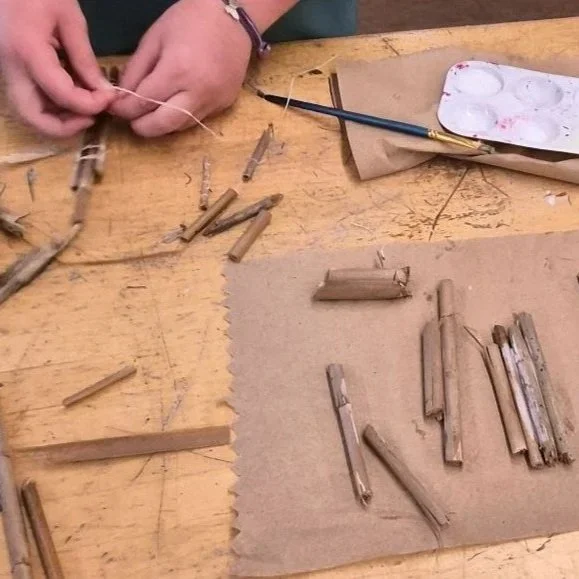
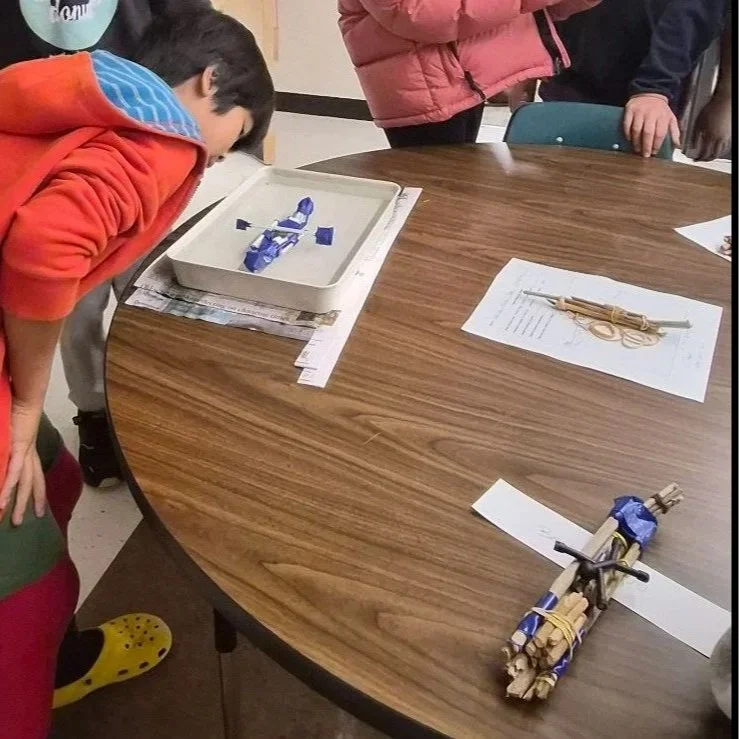
Once students were finished building, they were able to test their boat in water for twenty seconds and then were given the opportunity to make any necessary changes before the final float test of sixty seconds.
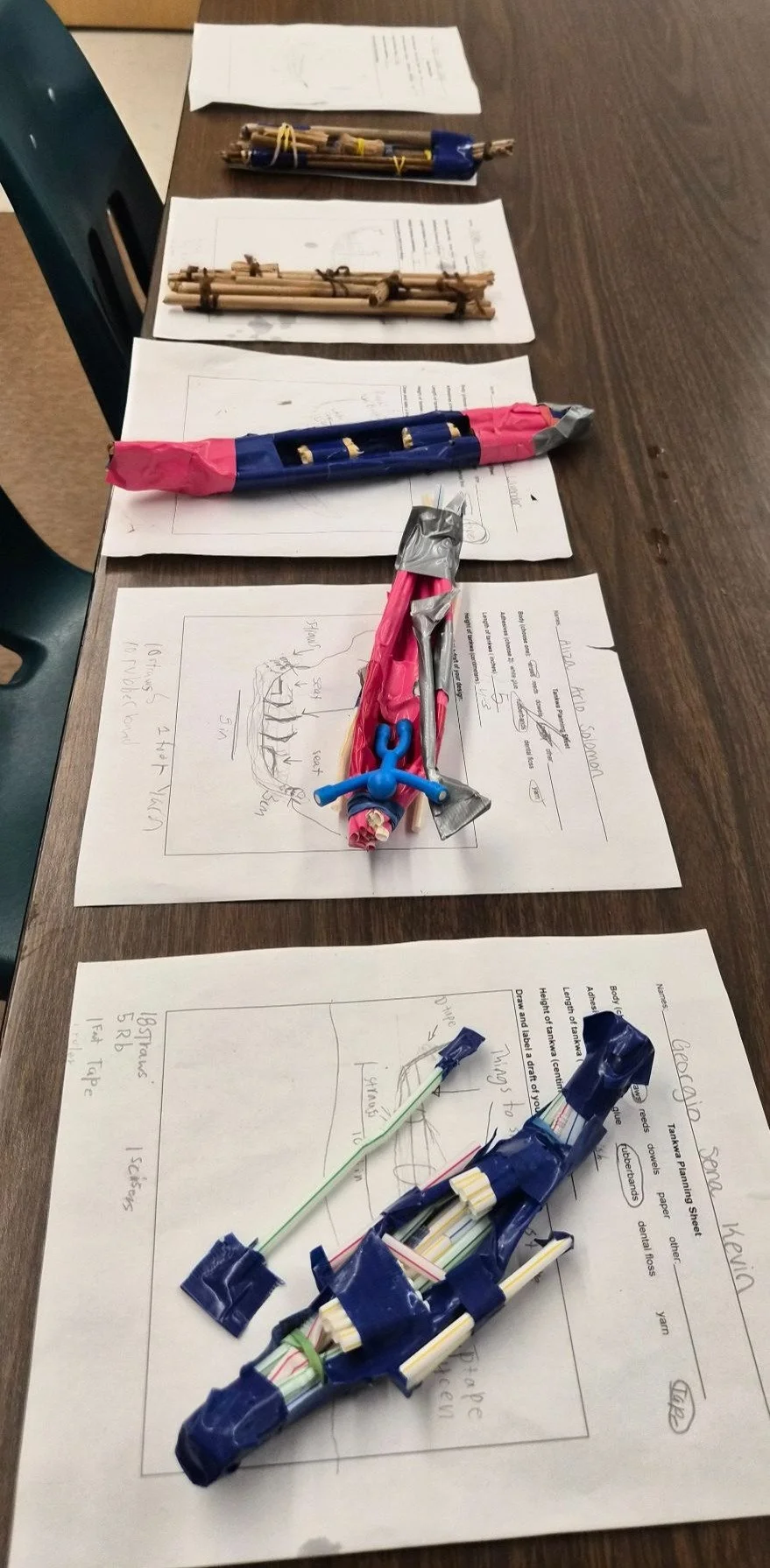
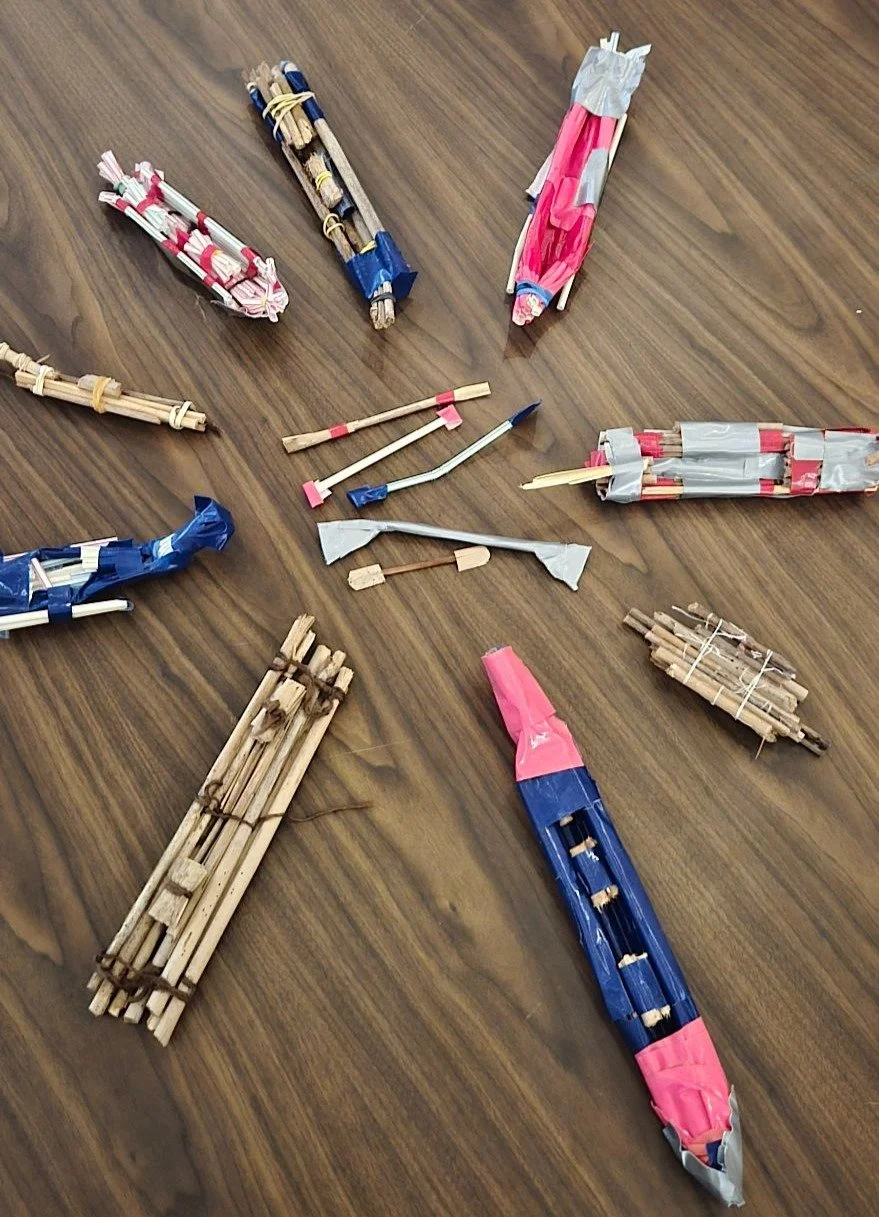
When reflecting on the process, students reported a variety of challenges including having to start over, making a cohesive plan with all members of the group, and tying the reeds together. One thing that all students agreed with was that they felt proud that each group's boat survived the water test!