Supporting Kids in Their Digital Lives
Over the past few weeks, students in the 6th & 7th grades have been engaging in conversations about internet safety and digital citizenship. These discussions have focused on topics such as protecting personal information, recognizing scams, noticing red flags in online interactions, and knowing what to do if something online feels uncomfortable or confusing.
As children grow, they begin spending more time in digital spaces. Playing games, engaging in group chats, and using platforms such as YouTube and social media are all ways that many middle and high school-aged kids interact with the internet. In a small community like ours, where students know each other well, the conversations we have in class often connect to real-life experiences. Our goal is not to create fear, but to help students build awareness, confidence, and the skills they need to navigate online spaces thoughtfully and safely.
For our younger students, digital experiences often look different. Preschool, Woods Primes, and MUPS students are typically engaging with screens alongside adults (watching shows, playing games, or video chatting with family). Even at this age, children are beginning to form habits and expectations around screens and online spaces. The goal at this stage is not to foster independence with screens, but to continue to build a strong foundation of trust, communication, and shared understanding.
Across all ages (and topics!!), one of the most protective things adults can do is stay curious and engaged. Taking time to learn about the apps, games, or websites children are using (and exploring them together) can make it easier to have open conversations and offer guidance when needed.
Some simple ways to support children’s digital lives:
Stay close and engaged (co-view or co-play when possible)
Name what’s happening on screens to build understanding
Keep boundaries simple, clear, and consistent
Notice and validate children’s feelings about what they see and experience
We also talk with students about reaching out to a trusted adult if something online feels strange, uncomfortable, or confusing. Many young people hesitate to share these experiences because they worry about getting in trouble or losing access to their devices. When children do come forward, how adults respond makes a big difference.
A calm, curious response helps children feel safe asking for help. You might try:
“I’m really glad you told me.”
“You’re not in trouble.”
“Can you tell me what happened?”
“That sounds confusing. Let's look at it together.”
“Next time, you can come get me right away, just like you did now.”
For younger children, these conversations can be brief and simple. What matters most is the message they receive: “If something feels off, I can always go to a grown-up and I will be met with calm and care.”
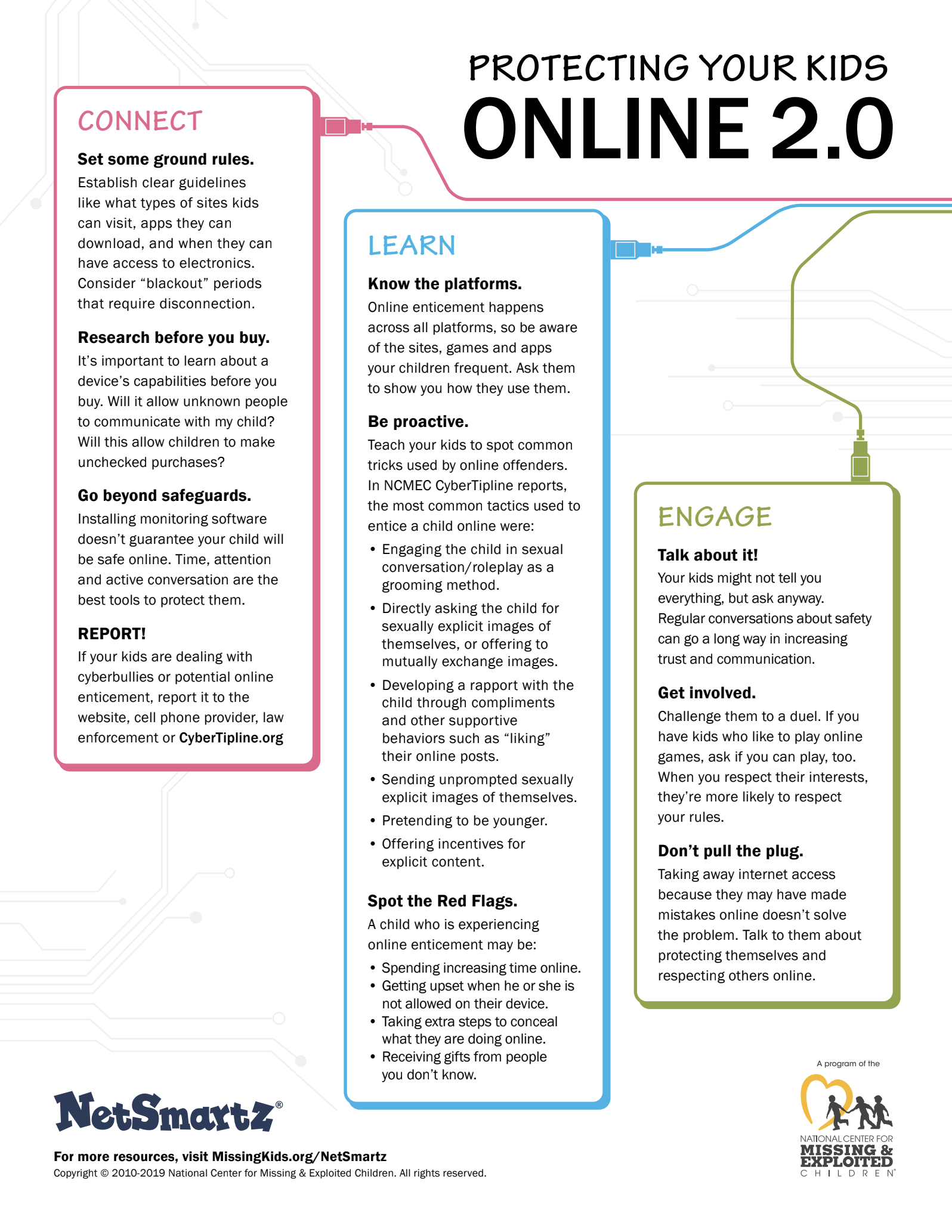
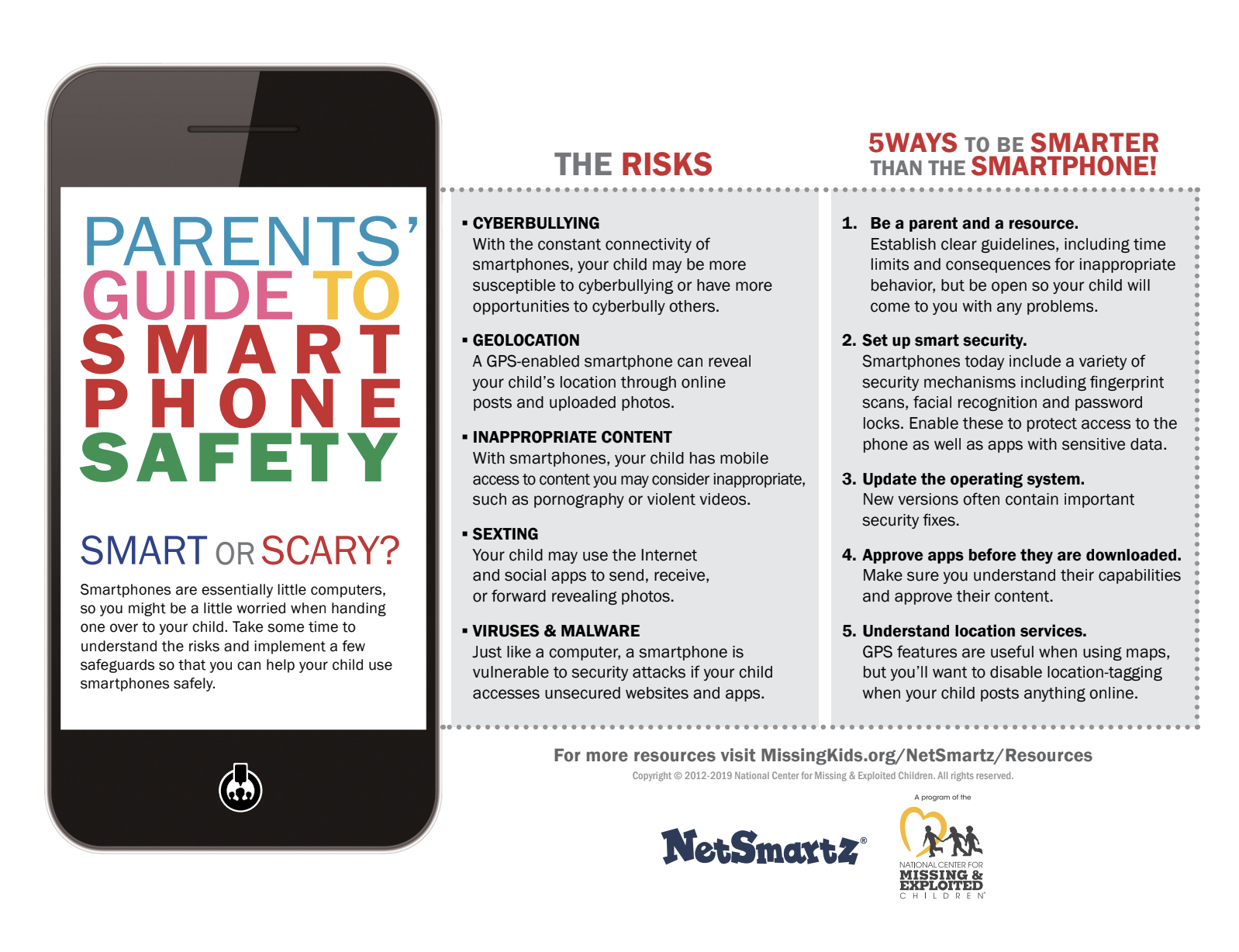
You’ll find a few simple resources and graphics included with this bulletin to support conversations at home. As always, thank you for partnering with us as we support students in learning and growing in both their offline and online worlds.
Please feel free to reach out if you’d like to connect further about supporting your child’s digital life!