
Why Teach Writing in 2026? (3rd/4th)
As technologies like AI continue to develop at an astounding rate, we are all being asked to consider what this could, should, and does mean for humanity. In the world of education, many questions quickly rise to the surface. One of the most existential is this: To what extent is it still necessary to teach reading, writing, and math when a device that most adults carry with them all day long can read aloud to them, write down their thoughts, and perform calculations that only the most highly skilled mathematicians could complete a generation ago? Do we do a disservice to our children and students by continuing to value the cultivation of these skills? (Spoiler alert: Of course not! But it is indeed worth exploring.)
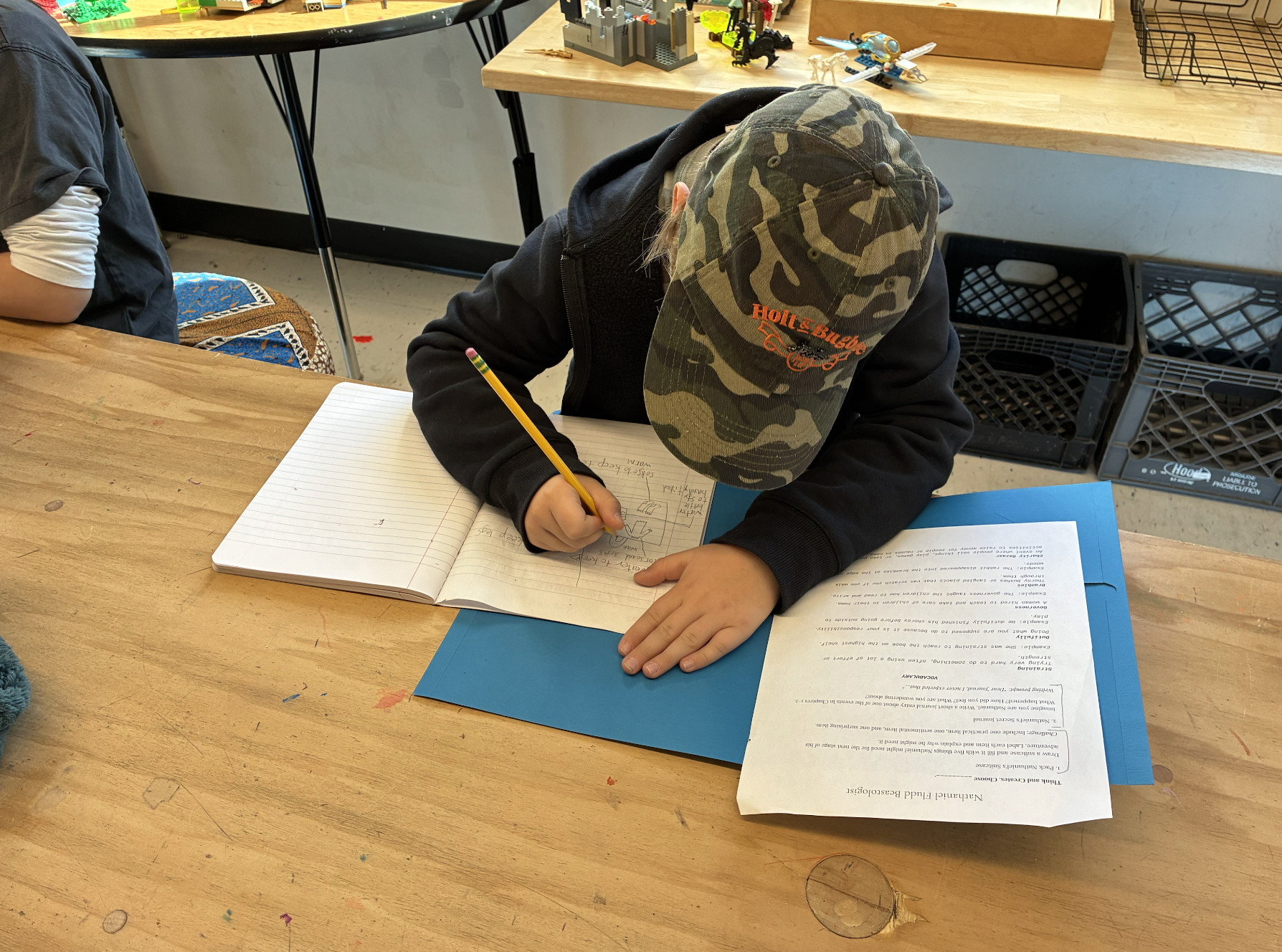
Last winter, a few Mups and Middles teachers attended a daylong writing conference in Framingham, MA, alongside elementary teachers from across New England. The purpose of the conference was to learn about a particular writing curriculum called Collaborative Classroom and to connect with other elementary writing teachers. During one small-group exercise, we were asked to reflect on the purpose of writing and the teaching of writing in the age of artificial intelligence. We read a short memoir written by a large language model. As you might imagine, the memoir was fine. It followed the conventions of a well-organized, descriptive, and engaging narrative. It had the shape of a story. It contained the ingredients we might look for in a piece of writing we would consider successful.
What was absent was the perspective of an actual human being experiencing the thoughts and feelings described. There was no human being who had grappled with the English language over a period of years to reach a point where they could command it well enough to share their experiences with someone else. What was missing was the emotional evolution that takes place within a real person in the process of writing.
When a child sits down to write, the finished piece is only a part of the story. There is also the struggle to find the right word, the frustration of not knowing how to begin, the surprise of discovering an idea that wasn't there at first, and the satisfaction of finally expressing something that had previously existed only as a vague feeling or thought.
If we were to judge writing (and all subjects) only by the quality of the final product, technologies like artificial intelligence would indeed give us cause to totally rethink a lot of how and what we teach. But if we understand writing as a process of discovery, communication, and self-understanding, its purpose becomes much harder to replace. We do not teach children to write simply so they can produce paragraphs. We teach them to write so they can develop their ideas, discover what they think, imagine what others might feel, and find ways to share their experiences with the world.
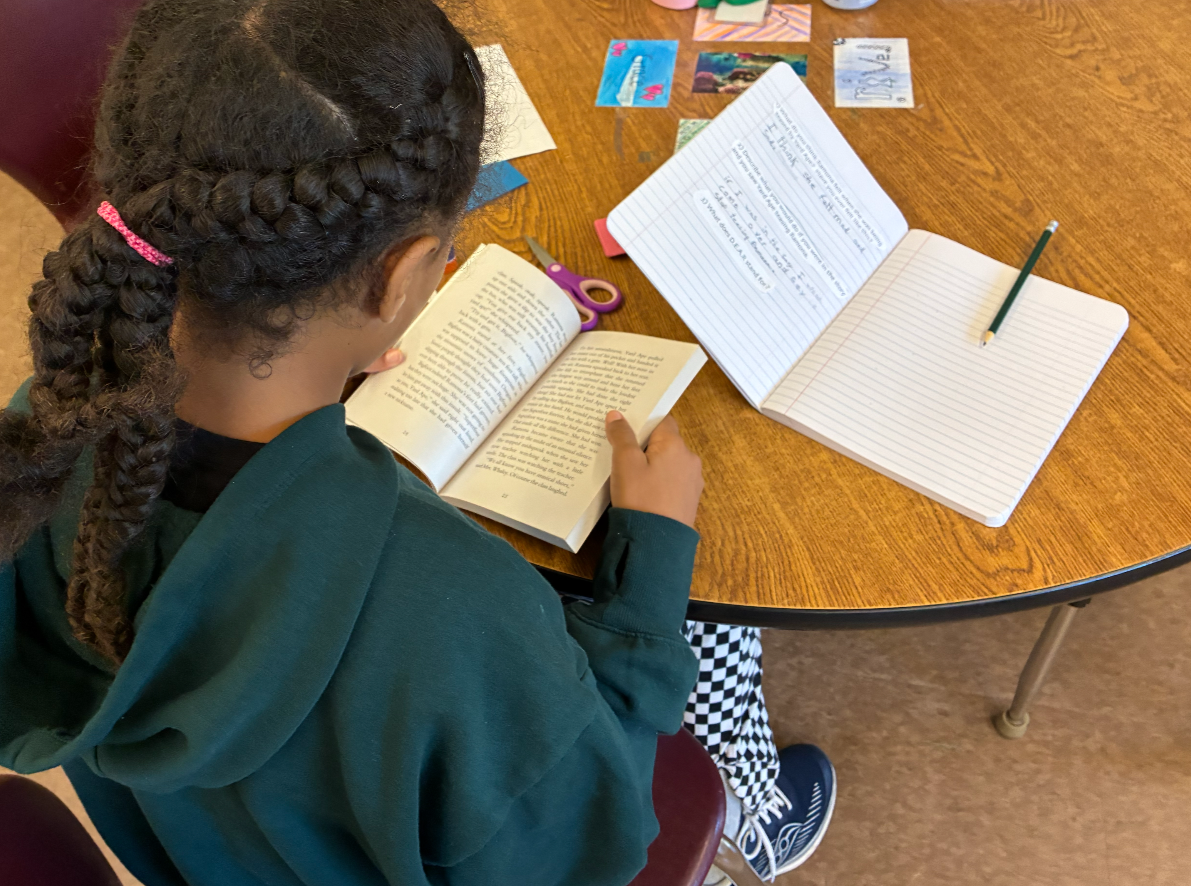
So, writing isn't getting knocked out of the curriculum anytime soon. Nor is the way we teach it going to become unrecognizable in the next few years just to “keep up with the times.” With any luck, we will all have many more first drafts, scribbled-out pages, and third and fourth drafts to work through with our students. And hopefully, we will have many more pages that we write ourselves.